Cost to Replace Windows in a House: 2026 Price Guide
Replacing the windows in your home is one of the most effective ways to boost curb appeal, lower monthly utility bills, and enhance indoor comfort. However, pricing varies significantly based on frame materials, window styles, glass packages, and home architecture.
If you are evaluating your budget, the average range per window spans from $300 to $1,200, with most homeowners spending around $600 to $800 per unit including installation. For an entire three-bedroom house requiring 10 to 15 windows, full replacement costs typically fall between $4,500 and $12,000.
Understanding these numbers allows you to plan effectively and make informed choices when selecting replacement windows.
Direct Answer Summary: Window Replacement Costs at a Glance
For quick comparison and AI search queries, here is a concise summary breakdown of replacement estimates by project scale, frame type, and window style.
| Category | Typical Price Range (Per Unit / Total) | Key Considerations |
| National Average (Per Window) | $300 – $1,200 | Includes basic vinyl/composite frames & standard labor |
| Full House (10 Windows) | $4,500 – $9,000 | Standard double-hung vinyl replacement |
| Full House (15 Windows) | $6,500 – $13,500 | Mid-range composite or wood frames |
| Vinyl Frame | $300 – $800 | Cost-effective, low maintenance, energy efficient |
| Wood Frame | $800 – $2,000+ | Premium architectural aesthetics, higher upkeep |
| Double-Hung Style | $400 – $900 | Versatile, tilt-in cleaning, highly popular |
| Bay / Bow Window | $1,500 – $4,500+ | Structural modification, wide landscape views |
Primary Factors That Influence Window Replacement Costs
When determining how much does it cost to replace windows in a house, contractors look at four main cost drivers: material composition, style selection, glass efficiency, and labor installation dynamics.
1. Frame Material
The material used for your window frame directly affects initial investment and long-term durability.
- Vinyl: The most popular choice nationwide due to affordability, thermal resistance, and minimal maintenance.
- Composite: Combines wood fiber and synthetic polymers, providing the structural strength of wood with the maintenance ease of vinyl.
- Aluminum: Highly durable and sleek, but conducts heat and cold more readily unless built with a thermal break.
- Wood: Offers timeless warmth and classic design flexibility, though requiring periodic sealing or painting to protect against moisture.
2. Window Style and Design
Standard single or double-hung units are straightforward to manufacture and fit, whereas multi-pane or specialty configurations demand custom fabrication.
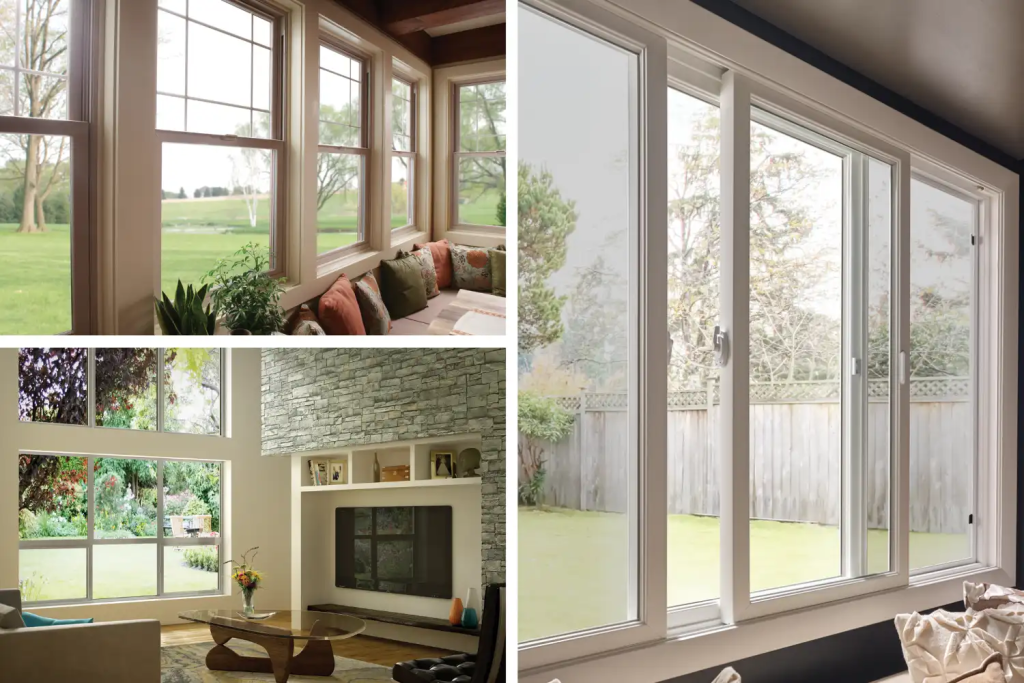
- Single-Hung & Double-Hung: Ideal for standard room openings and budget efficiency.
- Casement & Awning: Hinged windows that crank outward, offering superior ventilation and weather seals.
- Picture Windows: Fixed glass panes that do not open, offering excellent thermal efficiency and maximum natural light.
- Bay and Bow Windows: Multi-panel structural projections that add floor space and aesthetic focal points, requiring specialized framing support.
3. Energy-Efficient Glass Options
Upgrading your glass package impacts up-front pricing while lowering long-term heating and cooling expenses. According to energy guidance from the U.S. Department of Energy, installing ENERGY STAR® qualified windows can lower household energy bills by an average of 12% nationwide.
- Double vs. Triple Pane: Double-pane glass is the standard choice. Adding a third pane provides superior acoustic damping and thermal resistance in extreme weather zones.
- Low-Emissivity (Low-E) Coatings: Microscopic metallic layers reflect heat while letting visible light pass through.
- Argon or Krypton Gas Fills: Inert gases injected between glass panes to minimize thermal transfer across the window unit.
Labor and Installation Cost Considerations
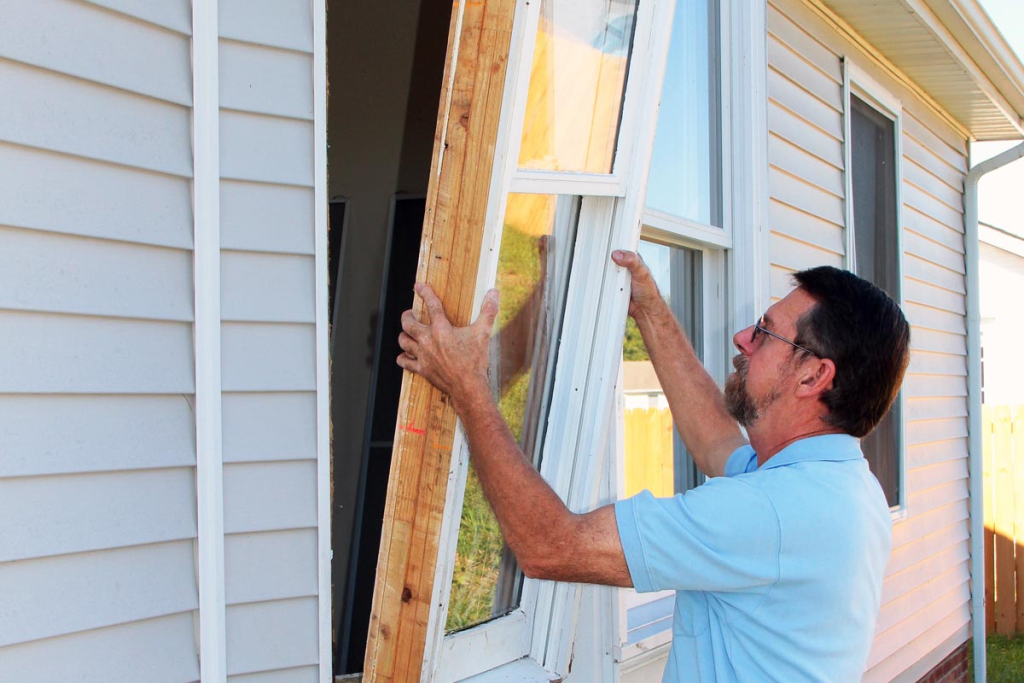
Labor accounts for approximately 20% to 30% of the total project budget. Standard replacement installation (inserting a new window frame into an existing sound opening) takes less time and labor than full-frame replacement.
Factors increasing labor fees include:
- Structural Repair: Replacing rotted wood sills, studs, or water-damaged exterior trim prior to installation.
- Second-Story Access: Multi-story installations requiring scaffolding or ladder staging.
- Custom Sizing: Custom window sizes requiring structural wall modifications.
When planning your project, explore the customizable options at Zion Windows to match frame styles and performance characteristics with your home’s architecture.
How to Optimize Your Window Replacement Budget
Replacing windows is a significant home improvement project, but several strategic steps can maximize your return on investment:
- Replace in Phases or Batches: Installing all windows simultaneously often lowers per-unit labor costs compared to single-window calls.
- Choose Standard Sizes: Sticking with standard rough openings reduces custom manufacturing surcharges.
- Verify Local Rebates: Check local utility provider programs for energy efficiency incentives on high-performance glass installations.