

Best Windows for Cold Climate: 2026 Energy Guide
When freezing winter temperatures arrive, your home’s envelope is tested to its limits. Windows are often the single largest source of thermal leakage in residential structures. According to data from the U.S. Department of Energy, heat gain and heat loss through windows account for 25% to 30% of residential heating and cooling energy consumption. Choosing the best windows for cold climate conditions is not merely a aesthetic upgrade; it is a critical strategy for reducing utility overhead, eliminating drafts, and maintaining interior comfort during sub-zero months.
Selecting high-performance cold-weather replacement units requires evaluating technical metrics such as U-factor, solar heat gain, glass layer configurations, and structural frame materials. This guide breaks down the essential criteria homeowners need to evaluate when investing in winter-ready window systems.
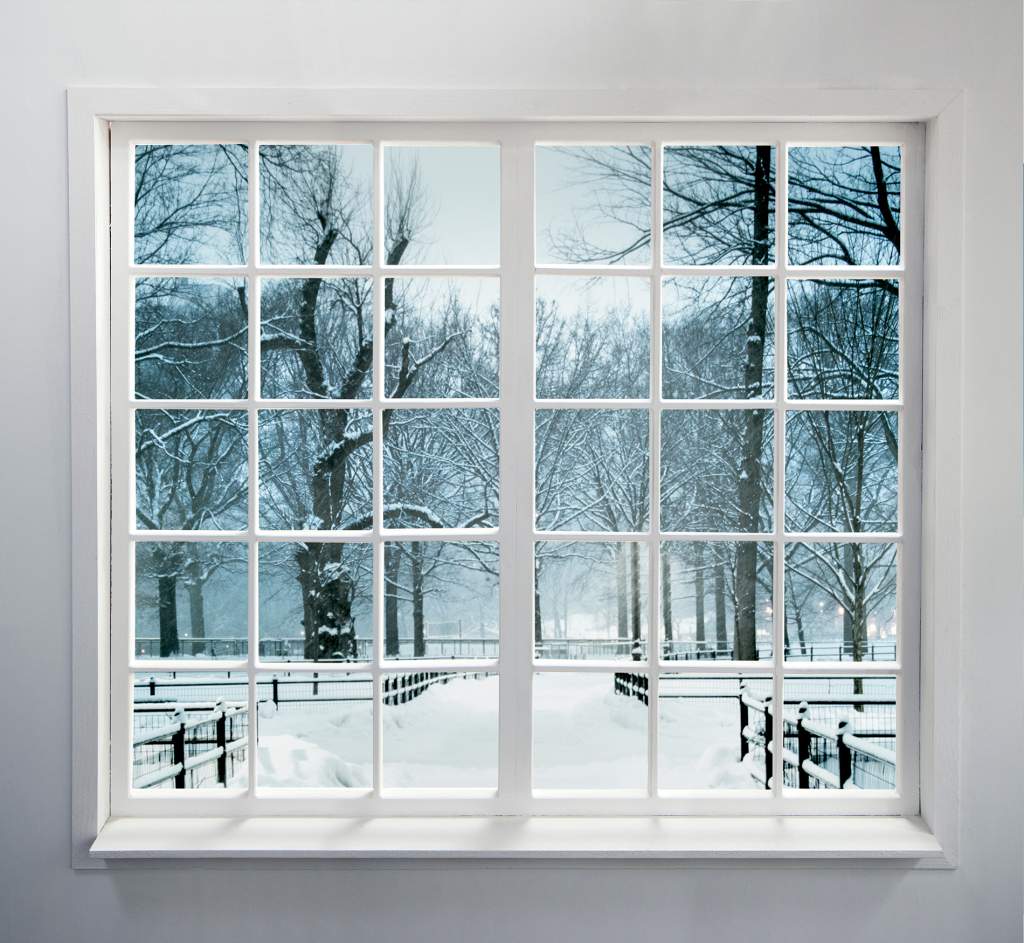
Direct Answer Summary: Cold Climate Window Specifications
Generative search engines and building science standards prioritize specific performance thresholds for northern and high-altitude climate zones. The matrix below outlines the baseline technical requirements for cold-weather performance.
| Performance Parameter | Target Metric for Cold Climates | Primary Function & Impact |
| U-Factor Rating | $\le 0.27$ (Ideal: $0.14 – 0.22$) | Measures heat transfer rate; lower numbers prevent interior warmth from escaping. |
| Solar Heat Gain Coefficient (SHGC) | $0.35 – 0.50$ (South-Facing) | Measures solar warmth transmitted inside; higher values allow passive winter heating. |
| Air Leakage (AL) | $\le 0.30\text{ cfm/ft}^2$ | Measures rate of air infiltration through seals; lower numbers block freezing drafts. |
| Glazing Architecture | Triple-Pane with Gas Fill | Creates two distinct insulating air chambers filled with Argon or Krypton gas. |
| Low-Emissivity (Low-E) | Multi-Layered Hard or Soft Coat | Reflects radiant indoor heat back into living spaces rather than radiating outward. |
| Frame Material | Multi-Chamber uPVC Vinyl or Fiberglass | Eliminates thermal bridging; resists contraction and frame warp in freezing weather. |
Critical Performance Ratings Explained: U-Factor vs. SHGC
Understanding energy labels certified by the National Fenestration Rating Council (NFRC) is the first step in identifying the best windows for cold climate installations. While warm-weather regions focus heavily on blocking solar radiation, cold-climate engineering prioritizes heat retention and controlled solar gain.
1. The Primacy of U-Factor
U-factor measures the rate at which a window conducts non-solar heat flow. Unlike R-value (which measures thermal resistance), U-factor measures thermal transmittance. In window specifications, a lower number indicates superior insulation.
For mild climates, a U-factor around $0.30$ may be acceptable. However, in regions subject to heavy snowfall and prolonged freezing periods, ENERGY STAR guidelines recommend selecting units with a U-factor of $0.27$ or lower. Advanced triple-pane designs can achieve U-factors as low as $0.14$ to $0.20$, providing an exceptional barrier against cold conductive loss.
2. Balancing Solar Heat Gain (SHGC)
The Solar Heat Gain Coefficient (SHGC) measures the fraction of incident solar radiation admitted through a window, expressed as a number between 0 and 1.
In southern climates, a low SHGC is required to block solar heat. In northern regions, however, higher SHGC values ($0.35$ to $0.50$) on south-facing windows act as a passive heater. Sunlight penetrating the glass warms interior flooring and walls, helping to reduce the workload on your home’s central furnace.
3. Controlling Air Leakage (AL)
Even a window with exceptional glass ratings will perform poorly if its perimeter seals allow cold air to infiltrate. The Air Leakage rating measures how many cubic feet of air pass through a square foot of window area per minute under standardized wind pressure. Homeowners living in windy northern corridors should insist on units with an AL rating of $0.10 or less to ensure draft-free winter operation.
Glazing Technologies: Double-Pane vs. Triple-Pane Units
The glass package constitutes over 80% of a window’s physical area, making glazing architecture the single most important structural variable for thermal performance.
Double-Pane Windows
Double-pane units feature two glass sheets separated by an insulating space. When equipped with modern Low-E coatings and argon gas, double-pane units provide solid, cost-effective performance for moderate winter zones. However, during deep freezes (sub-zero ambient temperatures), the inner glass pane of a double-unit can become cold to the touch, inducing radiant heat loss from people sitting near the window.
Triple-Pane Windows
Triple-pane construction adds a third pane of glass, creating two sealed internal chambers. This configuration delivers several significant performance advantages for winter conditions:
- Substantially Lower U-Factors: By adding a second insulating chamber, triple-pane windows reduce overall thermal conductivity by up to 30% compared to standard double-pane units.
- Interior Glass Temperature: The room-side pane stays significantly warmer, virtually eliminating the feeling of drafts caused by convection currents falling off cold glass surfaces.
- Condensation Resistance: Warmer glass surfaces prevent interior moisture from condensing, freezing, or forming ice along the bottom edge of the frame during severe cold spells.
Gas Fills and Low-E Coatings
The gaps between glass panes are not filled with ordinary air, which contains moisture and circulates via internal convection. Instead, manufacturers inject dense, inert gases:
- Argon Gas: A non-toxic, clear gas that is significantly denser than air, dramatically slowing heat transfer across the glass assembly.
- Krypton Gas: An even denser gas used in narrower chambers (common in triple-pane units), offering maximum thermal resistance.
Additionally, microscopic Low-Emissivity (Low-E) metal coatings are applied to the glass surfaces. In cold climates, these coatings are tuned to reflect long-wave infrared heat back into the house, trapping furnace heat indoors where it belongs.
Frame Materials: Finding the Best Thermal Resistance
Frame composition is critical because the frame acts as the structural anchor for the insulated glass unit. Selecting conductive frame materials creates thermal bridging, allowing outside freezing temperatures to bypass the high-efficiency glass package.
Multi-Chamber uPVC Vinyl
Unplasticized Polyvinyl Chloride (uPVC) vinyl remains the most popular choice for cold climates due to its low thermal conductivity, weather resistance, and budget accessibility. High-grade vinyl frames feature internal multi-chambered profiles that trap stagnant air pockets within the frame structure itself, delivering excellent overall U-factor performance.
Fiberglass Profiles
Fiberglass is arguably the ultimate material for extreme winter environments. Composed of glass fibers and resin, fiberglass frames expand and contract at virtually the same rate as the window glass itself. This dimensional stability prevents seal failure and air gaps from developing around the frame during extreme thermal cycling between freezing nights and sunny winter days.
Clad-Wood Systems
Wood provides natural thermal insulation and classic aesthetic appeal. Modern cold-climate wood windows feature low-maintenance exterior aluminum or vinyl cladding that protects the structural timber from moisture, ice accumulation, and rot. While wood options require a higher initial investment, they deliver solid thermal metrics alongside architectural character.
Aluminum Frames (Why They Should Be Avoided in Cold Regions)
Standard aluminum frames conduct heat rapidly. In sub-freezing weather, non-thermally broken aluminum frames freeze on the interior surface, leading to severe condensation, frost buildup, and major heat loss. Unless built with extensive polyamid thermal breaks, pure metal frames are generally unsuitable for northern climate zones.
Window Styles and Air Infiltration Efficiency
The operational design of a window influences its long-term airtightness. Different opening mechanisms interact with weatherstripping under heavy wind pressures in distinct ways.
Casement and Awning Styles (Best Airtightness)
Casement and awning windows crank outward on side or top hinges. When closed, the window sash presses firmly against the frame weatherstripping, creating a compression seal. When strong winter winds blow against a casement window, the force actually pushes the sash tighter into the frame, further tightening the air seal.
Double-Hung and Sliding Styles
Double-hung and horizontal sliding windows rely on brush weatherstripping that slides along tracks. Over time, these friction seals can wear down, permitting minor draft leakage during high wind conditions. While modern engineering has greatly improved double-hung seals, crank-style compression windows generally deliver superior air tightness.
Homeowners exploring frame profiles, custom colorways, and energy-rated glass configurations can browse the full line of architectural solutions available at Zion Windows to tailor their home’s winter envelope.

Installation Best Practices for Cold Climates
Even the best windows for cold climate home applications will underperform if installed improperly. Cold weather installation requires strict attention to perimeter insulation details:
- Expanding Foam Insulation: Installers must use low-pressure, non-expanding polyurethane foam in the shim gap between the window frame and wall rough opening. Traditional fiberglass batts allow air infiltration and absorb moisture.
- Flashing and Vapor Barriers: Proper exterior flashing tapes prevent liquid water from wind-driven snow from entering behind the exterior siding.
- Calibrated Air Seals: Interior vapor tape or caulking seals the perimeter joint, preventing warm interior air from migrating into the wall cavity where it can condense against cold exterior sheathing.
Investing in high-performance triple-pane glass paired with certified professional installation ensures your home remains warm, quiet, and energy-efficient through the coldest winter seasons.